
Incobist Insights
Read Incobist updates, project notes, and practical insights on design, product, and growth.
High Lights
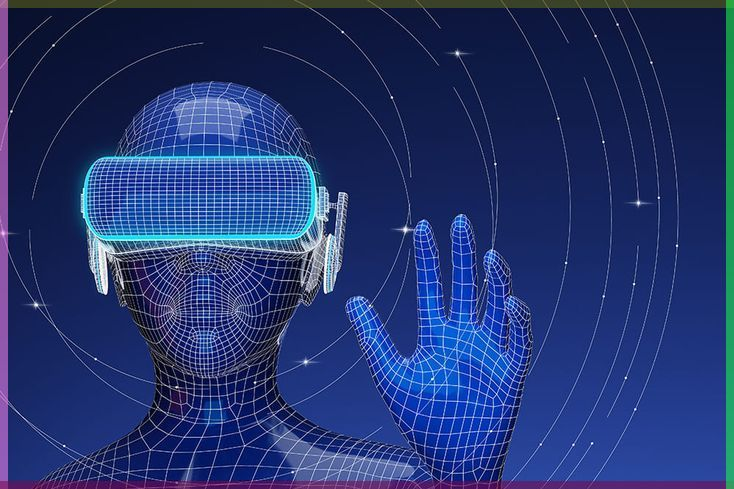
Extended reality (XR), which includes AR, VR, and MR, has the potential to transform customer-facing enterprises by offering immersive and engaging virtual experiences.
For a well-known jewelry business in India, TCS produced a 3D virtual store tour and a 360-degree experience of the NYC Marathon.
VR will also assist lower operating expenses and the carbon impact of enterprises in a variety of ways.
Presenting the other domain
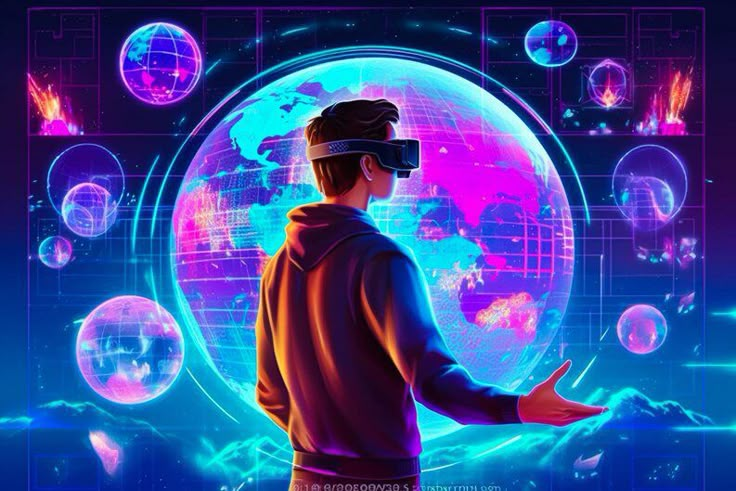
The metaverse is becoming more and more noticeable in both business and everyday life, and it is expected to establish itself as a kind of fixture for next generations. The Metaverse, which is based on Virtual Reality (VR), Augmented Reality (AR), and Mixed Reality (MR), is creating new opportunities for lifelike experiences in addition to a new digital and social environment.
Significant progress has been achieved in the immersive technologies field by TCS Interactive and TCS AvapresenceTM, a TCS platform to design, implement, and scale digital innovation—both disruptive and incremental. This encompasses AR, VR, and MR, all of which are included in the XR category...
Extend the ordinary
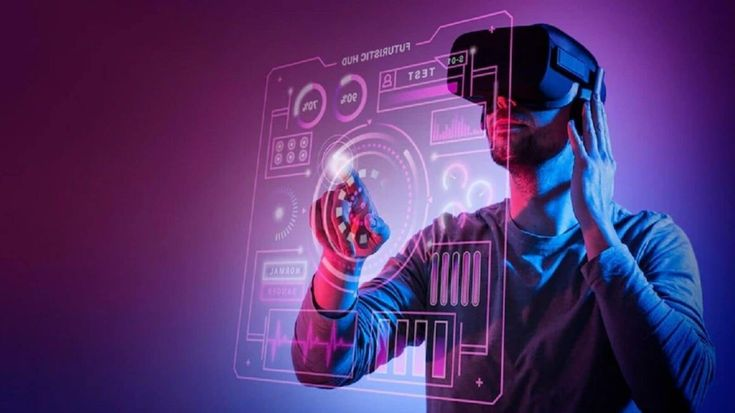
By fusing the virtual and "real" worlds or by producing an entirely immersive experience, all immersive technologies enhance the reality we see. AR and MR offer an expanded reality by combining the physical and digital worlds, whereas VR is a totally artificial medium that lets people fully immerse themselves in an experience.
Applying XR to corporate processes, particularly those that interact with customers, leads to increased user engagement, lower operating costs, training programs for employees and classrooms, the provision of unique and personalized experiences, and remote data access.
Using VR to achieve green aims
The most relevant of all the innovative uses of virtual reality is its effect on environmental sustainability. As VR replaces procedures in a variety of industrial verticals, it reduces carbon footprints. It also facilitates the assimilation of input. VR is essential to reaching "green" objectives at a time when industries are working to achieve net zero and implement sustainable models at the local level.
“Strong digital content helps teams explain value, build trust, and stay memorable across every touchpoint.”